Video version of this article
0:11:12
Note that I did not respond to what you say about Rígsþula. I did not forget to, but I don't have much to say about it.
Get my books from here: https://www.amazon.com/Varg-Vikernes/e/B00IVZ2KPO/ref=dp_byline_cont_book_1
Get the "bear cult" book by Mari...
Survive the Jive made a video response to one of my videos and he seems well researched, he is eloquent, well articulated and so forth. But is he correct? Let's find out.
I already addressed his point about Tacitus calling the Germans red-haired. He did not, as I explained in my last video. He used the term that the Romans used for blonde hair.[1]And I may add that in modern Spanish, deriving from Latin, the same word means shining and bright.[2]And this was also a word used for the sun and for gold.
Then he made a point about the fact that the bog corpses found in Scandinavia and northern Germany have red hair.
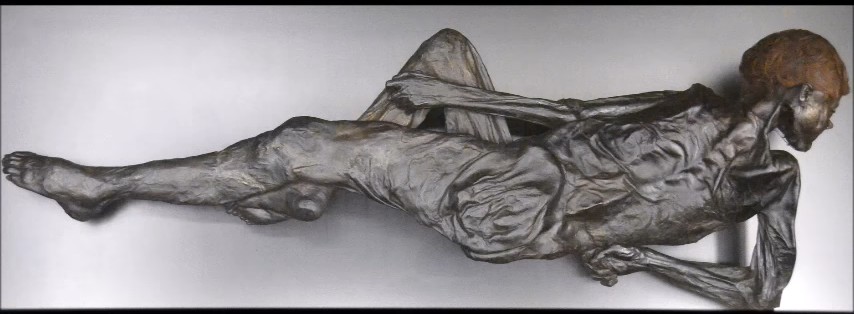
The point though is that they have red hair because they have been buried in a bog. And in the bogs you have iron oxide and this colors the hair red and it also colors the skin black. So the simple reason why bog corpses have red hair is because blonde hair put into an iron-rich bog turns into red hair over time. So it's just a chemical reaction causing blonde hair to turn red. BTW: Both in Norway and Russia, iron ore was actually collected from bogs. That is how rich bogs are with iron. And if you look at the corpses from the same period and even from before that, that have been found and that were not put into bogs, they have a blonde hair. So absolutely every single corpse found from the Bronze Age and Iron Age in Scandinavia has been blonde. Yes, some of them have had their hair chemically colored into red hair because they were in iron-rich bogs, but all of them were blonde. In some hue of course. Not every single one of them was light blonde, but that's irrelevant. Dark blonde is also blonde hair.
In relation to the research he refers to, in relation to haplogroups, I will point at my video that is called "What does Science tell us about our Origins", where I address this issue. In relation to his claim that blonde hair is 16,000 years old, I will point at the fact that Svante Pääbo, the leader of the Max Planck institute in Germany that had this Neanderthal genome project, initially said that all the Neanderthals were blonde and blue-eyed. And as we know the Neanderthals are surely older than 16,000 years. Now he did change his story later on because that was too politically incorrect to say, so I don't think he says that anymore. However, if you go to the prehistoric museum in Les Eyzies-de-Tayac-Sireuil, you will find the Neanderthal presented in the correct way like this.
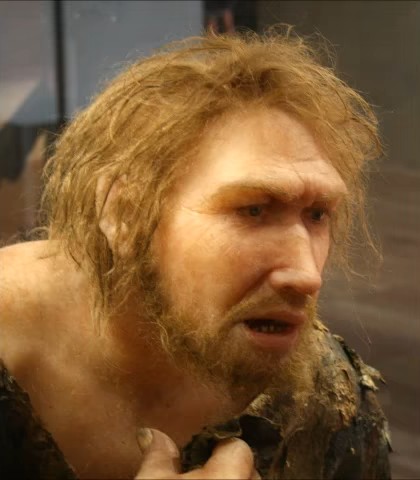
If you put a male shirt and a helmet on that person, it would ever look like a viking age Scandinavian.[3]And as you can see, the Neanderthal had fair skin, he had blue eyes and blonde hair. Now I assume that unless you are some freak of nature with magical abilities to know how French people spell things, you are not going to be able to google that museum. So I'm going to put up some text here, enabling you to actually do some googling and to check out that museum yourself. Go there if you haven't, I have been there, it's a great museum.[4]And like I said, it shows the Neanderthal the way it really was, as a blonde, blue-eyed, Scandinavian looking character. So, blonde hair cannot be 16,000 years old, it is much older. I may add that a hypothesis in relation to the Australian aborigines is that they have some Neanderthal forebears. However, they separated from the Europeans and Asians elsewhere around 65,000-75,000 years ago. And still, they have occasional blonde hair, as shown here.
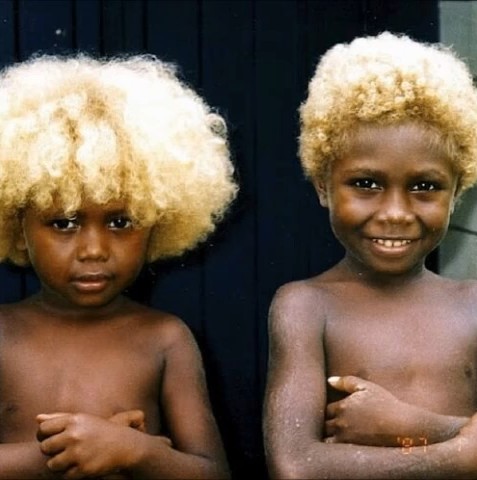
And they do have blonde hair occasionally, because they have Neanderthal forebears in the distant past. And from before, at least 65,000 years ago. In other words, these genes are older than 16,000 years. Australian aborigines are mostly Asian in origin, but the Neanderthal genes in them is shown through the blonde hair.
With all that said, there are a lot of rather convincing evidence suggesting a continuous religious practice in Europe. And if the population in Europe had been replaced, then of course there would not have been a continuous religious practice in Europe. And there has been, as proven, beyond any doubt by Marie Cachet in her book "The Secret of the She-Bear". Now, if you don't speak French, this book is a reason in itself for you to learn French. Because it explains and proves, beyond any doubt, that all our religious traditions, all our symbols, everything we surround ourselves with in a religious or traditional context, stems from the Neanderthal. And all of this has been with us continuously since the ice age.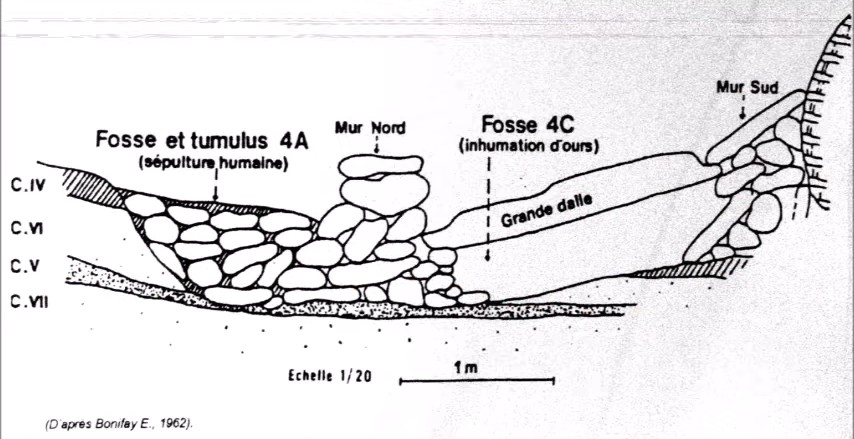
And if you by chance don't speak French and haven't read the book, then I would suggest that some French-speaking person in the comment field confirm what I say, because he will be able to.
I can also point you to my video about the Indo-Europeans. I will put up a link to all these videos in the video description and probably at the end of this video as well.[5]So, if we summarize, if the Europeans descend from Neanderthals[6]and the Neanderthals were blonde and blue-eyed, then certainly blonde hair is not 16,000 years old. Further, haplogroups are all much younger than the Neanderthals, so they don't tell us anything about racial origins. The continuous religious practice here in Europe, all the way to Christianity and even into Christianity, because we still practice the same pagan rituals even if we are Christians, show that the culture has not been replaced here in Europe at any time. It has been the same, and interestingly, it has been the same all over Europe, that all stem from the Neanderthals. And this in itself of course suggests strongly that we too stem from the Neanderthals. The haplogroup research you refer to doesn't disprove any of this, because all of that is much younger. Also, any movement in and out of Asia does not disprove this, because the Neanderthals moved out from Asia. They even lived in Northern Africa and in the Middle East and of course in Central Asia. Central Asia was purely European, or rather European, until fairly recently, I think about 2,000 years ago, when aggressive Asians invaded and took the place from the Europeans. And this, by the way, is also proven by these blonde mummies found in China.
So I hope this video cleared up a few things. And if you have anything to add to this, or if you think I'm wrong at any point, please feel free to comment in the comment field or make a video response. I appreciate this discussion. I think it's great. And to those who think that we are bickering, we are not. We are Europeans discussing facts and trying to find the facts. And as intelligent human beings, we discuss things back and forth and try to find the facts.
We know Tacitus described the "Germanics" as blonde and blue eyed, but what about the other Barbarians bordering the Roman empire or Greece? "The Gauls are described as tall and of great physical strength, with a fair skin and blonde hair, which they often reddened by artificial means." "Celts, Scythians, Thracians inhabiting the regions to the north of the Greek world (..). All these peoples are described, in sharp contrast to the "civilized" Greeks, as being much taller, their skin lighter and with straight light-coloured hair and blue eyes." See video description for sources, or lists of sources.
I already addressed his point about Tacitus calling the Germans red-haired. He did not, as I explained in my last video. He used the term that the Romans used for blonde hair.[1]And I may add that in modern Spanish, deriving from Latin, the same word means shining and bright.[2]And this was also a word used for the sun and for gold.
Then he made a point about the fact that the bog corpses found in Scandinavia and northern Germany have red hair.
The point though is that they have red hair because they have been buried in a bog. And in the bogs you have iron oxide and this colors the hair red and it also colors the skin black. So the simple reason why bog corpses have red hair is because blonde hair put into an iron-rich bog turns into red hair over time. So it's just a chemical reaction causing blonde hair to turn red. BTW: Both in Norway and Russia, iron ore was actually collected from bogs. That is how rich bogs are with iron. And if you look at the corpses from the same period and even from before that, that have been found and that were not put into bogs, they have a blonde hair. So absolutely every single corpse found from the Bronze Age and Iron Age in Scandinavia has been blonde. Yes, some of them have had their hair chemically colored into red hair because they were in iron-rich bogs, but all of them were blonde. In some hue of course. Not every single one of them was light blonde, but that's irrelevant. Dark blonde is also blonde hair.
In relation to the research he refers to, in relation to haplogroups, I will point at my video that is called "What does Science tell us about our Origins", where I address this issue. In relation to his claim that blonde hair is 16,000 years old, I will point at the fact that Svante Pääbo, the leader of the Max Planck institute in Germany that had this Neanderthal genome project, initially said that all the Neanderthals were blonde and blue-eyed. And as we know the Neanderthals are surely older than 16,000 years. Now he did change his story later on because that was too politically incorrect to say, so I don't think he says that anymore. However, if you go to the prehistoric museum in Les Eyzies-de-Tayac-Sireuil, you will find the Neanderthal presented in the correct way like this.
If you put a male shirt and a helmet on that person, it would ever look like a viking age Scandinavian.[3]And as you can see, the Neanderthal had fair skin, he had blue eyes and blonde hair. Now I assume that unless you are some freak of nature with magical abilities to know how French people spell things, you are not going to be able to google that museum. So I'm going to put up some text here, enabling you to actually do some googling and to check out that museum yourself. Go there if you haven't, I have been there, it's a great museum.[4]And like I said, it shows the Neanderthal the way it really was, as a blonde, blue-eyed, Scandinavian looking character. So, blonde hair cannot be 16,000 years old, it is much older. I may add that a hypothesis in relation to the Australian aborigines is that they have some Neanderthal forebears. However, they separated from the Europeans and Asians elsewhere around 65,000-75,000 years ago. And still, they have occasional blonde hair, as shown here.
And they do have blonde hair occasionally, because they have Neanderthal forebears in the distant past. And from before, at least 65,000 years ago. In other words, these genes are older than 16,000 years. Australian aborigines are mostly Asian in origin, but the Neanderthal genes in them is shown through the blonde hair.
With all that said, there are a lot of rather convincing evidence suggesting a continuous religious practice in Europe. And if the population in Europe had been replaced, then of course there would not have been a continuous religious practice in Europe. And there has been, as proven, beyond any doubt by Marie Cachet in her book "The Secret of the She-Bear". Now, if you don't speak French, this book is a reason in itself for you to learn French. Because it explains and proves, beyond any doubt, that all our religious traditions, all our symbols, everything we surround ourselves with in a religious or traditional context, stems from the Neanderthal. And all of this has been with us continuously since the ice age.
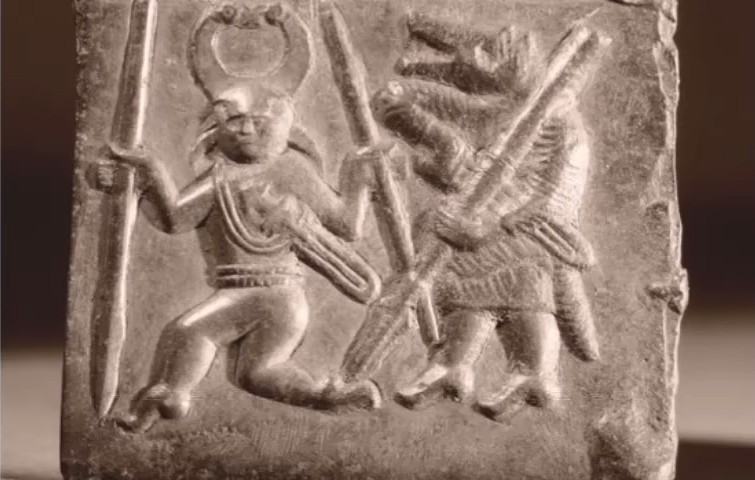
The clue here is 'Bear Cult'. Here from a 75.000 year-old Neanderthal grave in France. PS. A bear buried with a man.
Here from Viking Age art.
And if you by chance don't speak French and haven't read the book, then I would suggest that some French-speaking person in the comment field confirm what I say, because he will be able to.
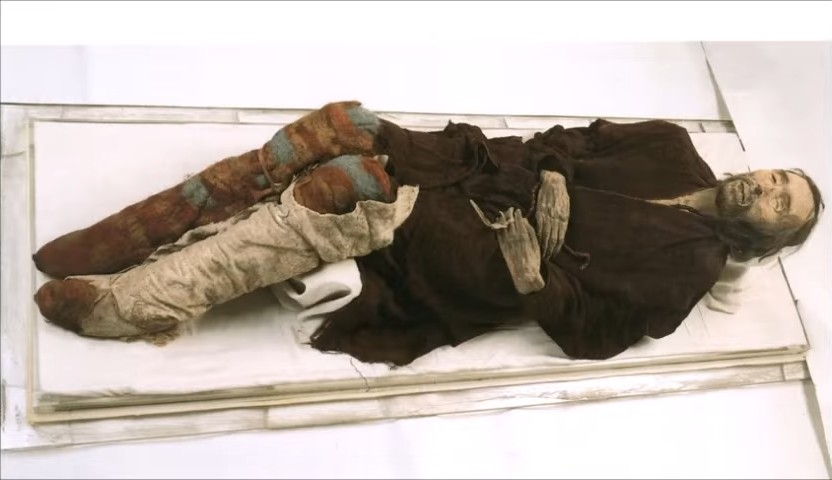
I can also point you to my video about the Indo-Europeans. I will put up a link to all these videos in the video description and probably at the end of this video as well.[5]So, if we summarize, if the Europeans descend from Neanderthals[6]and the Neanderthals were blonde and blue-eyed, then certainly blonde hair is not 16,000 years old. Further, haplogroups are all much younger than the Neanderthals, so they don't tell us anything about racial origins. The continuous religious practice here in Europe, all the way to Christianity and even into Christianity, because we still practice the same pagan rituals even if we are Christians, show that the culture has not been replaced here in Europe at any time. It has been the same, and interestingly, it has been the same all over Europe, that all stem from the Neanderthals. And this in itself of course suggests strongly that we too stem from the Neanderthals. The haplogroup research you refer to doesn't disprove any of this, because all of that is much younger. Also, any movement in and out of Asia does not disprove this, because the Neanderthals moved out from Asia. They even lived in Northern Africa and in the Middle East and of course in Central Asia. Central Asia was purely European, or rather European, until fairly recently, I think about 2,000 years ago, when aggressive Asians invaded and took the place from the Europeans. And this, by the way, is also proven by these blonde mummies found in China.
Found in the Turim area of China.
So I hope this video cleared up a few things. And if you have anything to add to this, or if you think I'm wrong at any point, please feel free to comment in the comment field or make a video response. I appreciate this discussion. I think it's great. And to those who think that we are bickering, we are not. We are Europeans discussing facts and trying to find the facts. And as intelligent human beings, we discuss things back and forth and try to find the facts.
We know Tacitus described the "Germanics" as blonde and blue eyed, but what about the other Barbarians bordering the Roman empire or Greece? "The Gauls are described as tall and of great physical strength, with a fair skin and blonde hair, which they often reddened by artificial means." "Celts, Scythians, Thracians inhabiting the regions to the north of the Greek world (..). All these peoples are described, in sharp contrast to the "civilized" Greeks, as being much taller, their skin lighter and with straight light-coloured hair and blue eyes." See video description for sources, or lists of sources.
- Any Latin student can confirm what I say here.
- Well. A Spanish word deriving from that word that is. Sorry.
- With a powerful forehead, yes. Some modern Europeans have that too.
- Les Eyzies-de-Tayac-Sireuil is the "capital" of Neanderthal studies, by the way.
- And to my "Totemism" blog post on the Thulean Perspective blog.
- And yes we do. As do Asians, although they are also and mainly descendants of the Denisovans (proto-Asians):