Video version of this article
0:03:42
If you want to see a video about the roots of Paganism, check this out: https://www.youtube.com/watch?v=RM21ZomhbVk
Links: http://thuleanperspective.com/
About Lords and Ladies.
Lord and Lady. What are these terms? What do they mean? Let's find out.
Lord and Lady. They are originally pagan religious titles. Lady derives from an Old English "hlæfdige" which means "baker of bread" and Lord derives from Old English "hlaford" which means bread warden. It derives from a proto-Germanic "*hlaíbawardaz" which of course is more comprehensible. Well, more comprehensible if you know the meaning of the words: *hlaíba-(*hlaíbaz) = bread, *wardaz = warden. And I can add that my Russian viewers will probably recognize the term for bread in Russian as well where they called it "hleb".[1]Of course both these words are derived from the same. In Norwegian we still have the word but in another meaning we say "leif"[2]which means a "piece of bread". Of course it's the same origin.
The day before each high festival the Lady would lead a procession from farm to farm and they would collect food items.
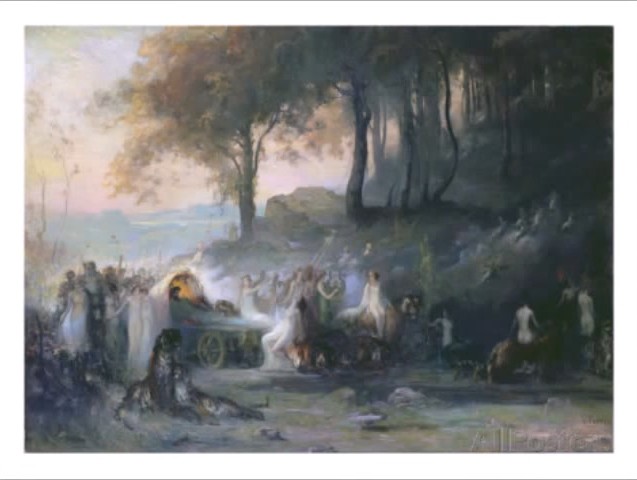
Pork, egg and flour and also baked bread that would be handed out to all the guests attending the high festival by the Lord. We have the term "high festival" from this: during these festivals, they always erected a high (what we would normally call a "May Pole"), and therefore it was a "high festival". And of course the Lord and the Lady were impersonating deities. They were impersonating Freyr and Freyja. This was the "sacrifice" ordinary people made to the deities. Their offerings to the deities: they offered them food items, for use during the high festivals. In German you still have this name used for Ladies. A Lady in German is of course a Frau[3]and a maiden in German is a Fräulein. And in the Scandinavian languages as well we still use that term instead of the Lord. We say fru(?) for Lady and frøken for Maidens. But in English they for some reason use these titles instead. But the origin is the same and the role they had was the same.
So society was lead by physical deities; men and women impersonating the deities. By doing so they became the deities, and gained all their powers. They were impersonating the deities, they were the rulers of the society and they would collect the food from the area and they would distribute it justly amongst all the participants in the high festivals.
Some people talk about "our Christian heritage", but if you dig a bit deeper, you will find that there is actually very little in our heritage that has anything at all to do with Christianity, or it's roots: Judaism. Our European culture is, to the core, Pagan.
Lord and Lady. What are these terms? What do they mean? Let's find out.
Lord and Lady. They are originally pagan religious titles. Lady derives from an Old English "hlæfdige" which means "baker of bread" and Lord derives from Old English "hlaford" which means bread warden. It derives from a proto-Germanic "*hlaíbawardaz" which of course is more comprehensible. Well, more comprehensible if you know the meaning of the words: *hlaíba-(*hlaíbaz) = bread, *wardaz = warden. And I can add that my Russian viewers will probably recognize the term for bread in Russian as well where they called it "hleb".[1]Of course both these words are derived from the same. In Norwegian we still have the word but in another meaning we say "leif"[2]which means a "piece of bread". Of course it's the same origin.
The day before each high festival the Lady would lead a procession from farm to farm and they would collect food items.
Pork, egg and flour and also baked bread that would be handed out to all the guests attending the high festival by the Lord. We have the term "high festival" from this: during these festivals, they always erected a high (what we would normally call a "May Pole"), and therefore it was a "high festival". And of course the Lord and the Lady were impersonating deities. They were impersonating Freyr and Freyja. This was the "sacrifice" ordinary people made to the deities. Their offerings to the deities: they offered them food items, for use during the high festivals. In German you still have this name used for Ladies. A Lady in German is of course a Frau[3]and a maiden in German is a Fräulein. And in the Scandinavian languages as well we still use that term instead of the Lord. We say fru(?) for Lady and frøken for Maidens. But in English they for some reason use these titles instead. But the origin is the same and the role they had was the same.
So society was lead by physical deities; men and women impersonating the deities. By doing so they became the deities, and gained all their powers. They were impersonating the deities, they were the rulers of the society and they would collect the food from the area and they would distribute it justly amongst all the participants in the high festivals.
Some people talk about "our Christian heritage", but if you dig a bit deeper, you will find that there is actually very little in our heritage that has anything at all to do with Christianity, or it's roots: Judaism. Our European culture is, to the core, Pagan.
- Russian хлеб (hleb) from *hlaíbaz.
- leif (correctly pronounced "leiv")
- "Frau", from proto-Germanic *Fraujaz (and older version of the name Freyja).